

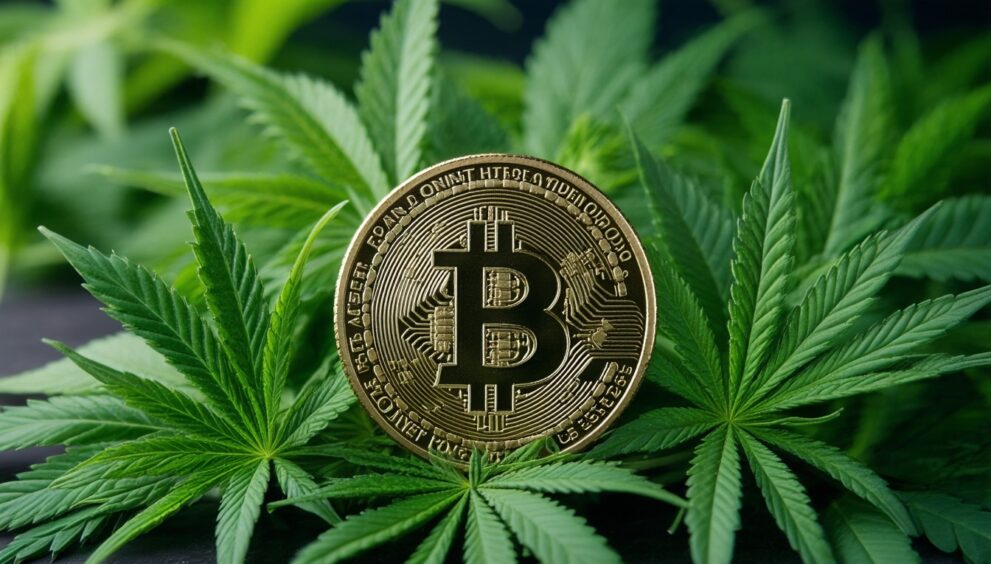
The intersection of blockchain technology and agriculture has produced some remarkable innovations, and among the most notable is Hempcoin. Originally launched in 2014, Hempcoin stands as one of the earliest cryptocurrencies designed specifically to facilitate transactions in the agricultural, hemp, and cannabis industries. Backed by a vision of creating a decentralized financial ecosystem for a traditionally cash-restricted sector, Hempcoin has steadily gained recognition as the legal status of hemp has evolved and blockchain adoption has matured worldwide.
As industries connected to agriculture search for more transparent, efficient, and secure trading methods, interest in sector-specific digital currencies like Hempcoin continues to rise. This guide dives deep into the features, potential benefits, and practical insights on how to acquire Hempcoin, providing a balanced look at where it stands in the shifting landscape of crypto-agriculture.
Understanding Hempcoin: Core Features and Vision
Hempcoin (THC) was conceived to be more than just another cryptocurrency. Its foundational mission is to streamline transactions between farmers, distributors, and retailers, especially those navigating regulatory hurdles in the hemp and cannabis sectors.
Key Features of Hempcoin
The following are Hempcoin’s most prominent characteristics:
- Industry-Focused Use Case: Hempcoin targets the agricultural sector, providing a medium of exchange that helps avoid legacy banking complications.
- Decentralization: Like many cryptocurrencies, Hempcoin operates without a central authority, theoretically reducing transaction fees and processing times.
- Speed and Accessibility: Transactions are typically completed within minutes, a stark contrast to the days or weeks often experienced in cross-border traditional banking.
- Masternode Network: Leveraging masternode infrastructure, Hempcoin incentivizes holders to secure the network while earning staking rewards—a model proven successful in other hybrid crypto projects.
- Open Source and Community-Driven: The Hempcoin project is open source, inviting developers and enthusiasts to help advance its roadmap and ecosystem.
Real-World Industry Relevance
The practical application of Hempcoin reflects broader adoption efforts within agri-fintech:
- Farmers and processors can accept Hempcoin as payment for hemp seeds and equipment, bypassing limited banking access.
- Hempcoin’s blockchain records transactions for compliance, provenance verification, and logistics within the supply chain.
- The token’s digital framework appeals to younger, tech-savvy market entrants seeking alternative financial infrastructure.
Benefits of Using Hempcoin in the Agricultural Ecosystem
As digital finance solutions become more tailored, some argue that sector-specific tokens offer practical advantages over generic cryptocurrencies like Bitcoin. This is especially relevant in agriculture, where legacy systems often fall short.
Enhanced Payment Security and Transparency
Blockchain’s immutability brings peace of mind to stakeholders wary of fraud and data tampering. Each Hempcoin transaction is permanently logged, enabling both internal audits and external regulatory checks. Such transparency is vital for hemp and cannabis, where compliance demands are rigorous.
Cost Efficiency and Cross-Border Flexibility
Traditional banking for agricultural businesses—especially those in the hemp sphere—has long been plagued by high fees and restricted services. Hempcoin eliminates many of these frictions:
- Lower transaction costs due to no central intermediary
- Cross-border payments without the volatility often associated with fiat exchanges
Supporting Industry Legitimacy and Innovation
Many banks remain cautious with hemp-connected businesses, despite increased legalization. Hempcoin provides a parallel payment network that can be critical for:
- Small to midsize farms looking for new revenue streams
- Retailers seeking direct supplier relationships
- Innovative startups focused on traceable, ethical sourcing
As Dr. Emily Sanders, an agri-tech consultant, succinctly puts it:
“Digital currencies like Hempcoin are proving invaluable for industries navigating patchy regulation and still-developing financial frameworks. Their targeted approach can bridge market gaps much faster than legacy institutions.”
How to Buy Hempcoin: Step-by-Step for New Investors
Moving from research to ownership involves a series of straightforward steps, yet choosing reputable sources and maintaining digital security is essential.
Step 1: Choose a Supported Cryptocurrency Exchange
Not all exchanges list Hempcoin, given its niche application. Investors should start by researching platforms that support THC trading pairs, such as minor altcoin exchanges or decentralized platforms.
Step 2: Create and Secure Your Account
- Sign up for the exchange, providing email, identity information, and payment method details.
- Set up two-factor authentication (2FA) for added security.
Step 3: Acquire a Wallet Compatible with Hempcoin
Digital assets are best stored off-exchange. Download or purchase a wallet supporting THC. Hardware wallets are recommended for maximum security, while software or mobile wallets provide convenience for smaller transactions.
Step 4: Fund Your Exchange Account
Deposit commonly accepted cryptocurrencies such as Bitcoin or Ethereum—or, where supported, fiat currencies like USD or EUR.
Step 5: Purchase Hempcoin (THC)
Navigate to the THC trading pair (e.g., THC/BTC) and place a market or limit order for your desired amount. Confirm all details carefully before executing the transaction.
Step 6: Transfer Coins to Your Wallet
For improved safety, withdraw your Hempcoin holdings from the exchange into your private wallet. Record your wallet’s recovery keys in a safe place.
Real-World Example: Small Business Adoption
A specialty hemp foods vendor in Colorado, for instance, may use Hempcoin to purchase supplies from an organic seed supplier in Poland—circumventing costly bank wire fees and slow processing times, and establishing an immutable record for transparency.
Security, Volatility, and Regulatory Considerations
While Hempcoin offers distinct advantages, adoption requires navigating risk and compliance hurdles.
Volatility and Liquidity
Hempcoin—like many low-cap digital tokens—can experience sharp swings in value. Investors and businesses must be prepared for price fluctuations or periods of low liquidity that may impact large transactions.
Regulatory Landscape
Compliance requirements are evolving. The U.S. and EU have signaled growing interest in clearer regulations for both hemp and digital assets, but jurisdictional differences remain pronounced.
Security Best Practices
- Always use secure wallets and exchanges with strong reputations.
- Enable 2FA and consider using cold storage for substantial holdings.
- Monitor industry news for non-technical risks, such as legal or regulatory changes.
Conclusion: Hempcoin’s Place in a Transforming Industry
Hempcoin stands as a pioneering example of how blockchain can directly address persistent pain points in agricultural markets—especially those linked to hemp and cannabis. By facilitating transparent, lower-cost transactions and supporting businesses sidestepped by mainstream banking, THC plays an important but still evolving role. As regulation catches up and agri-fintech innovation accelerates, Hempcoin’s relevance will hinge on its ability to scale adoption, maintain security, and continue meeting the unique needs of its community.
FAQs
What is the main purpose of Hempcoin?
Hempcoin was developed to facilitate financial transactions within the hemp and agriculture industries, enabling faster, more efficient, and secure payments, especially for businesses underserved by traditional banks.
Where can I buy Hempcoin (THC)?
THC is available on select altcoin exchanges. Potential buyers should research platforms that list Hempcoin and always prioritize security when choosing where to purchase.
Is Hempcoin legal to use in my country?
The legality of Hempcoin depends on local cryptocurrency regulations. Users should verify rules in their jurisdiction before trading or using THC, especially since hemp laws vary globally.
How does Hempcoin support transparency in the supply chain?
Hempcoin’s blockchain infrastructure publicly records every transaction, making it easier for stakeholders to trace payments and verify compliance within the agricultural supply chain.
Can I store Hempcoin on hardware wallets?
Yes, several hardware wallets support THC, providing an added layer of security by keeping coins offline and protected from potential online threats.
What are the risks associated with holding Hempcoin?
Like other cryptocurrencies, Hempcoin carries risks such as volatility, regulatory uncertainties, and security vulnerabilities. Users should conduct due diligence and employ best-practice safeguards when investing or transacting.