
The cryptocurrency landscape is littered with tokens vying for adoption, but Kin occupies a unique niche rooted in digital consumer engagement. Launched by the team behind the popular messaging app Kik, Kin aims to power microtransactions within digital communities and apps, rewarding user participation and content creation. Unlike many speculative cryptocurrencies, Kin’s design centers on utility, supporting a large-scale, decentralized ecosystem for app developers and end users alike.
Since its inception, Kin has struggled through regulatory headwinds—most notably its high-profile skirmish with the U.S. Securities and Exchange Commission. Despite these challenges, Kin maintains an active developer community and a range of integrated applications across social, gaming, and lifestyle sectors. The token’s supply is fixed, with a vast majority already distributed, and it operates on the Solana blockchain after migrating from Ethereum to drastically reduce fees and transaction times.
Live Kin Token Price: Recent Movements and Volatility
Price Fluctuations in Context
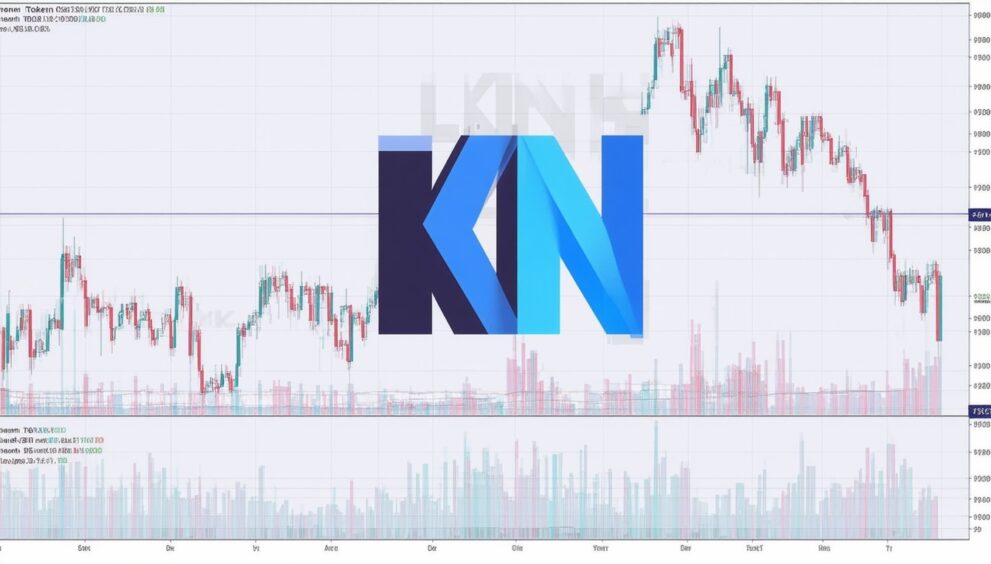
Kin’s price history is marked by pronounced volatility, a common thread among smaller-cap cryptocurrency projects. The token witnessed meteoric gains during periods of speculative hype, notably in early 2018 and during the broader rally in late 2021. However, its value has also experienced sharp corrections as market sentiment shifted or broader crypto downturns emerged.
At present, the live Kin token price remains a fraction of a cent, but this micro-price format should not be mistaken for stagnation. Daily trading volumes often fluctuate based on broader market direction, announcements of new app integrations, or changes in exchange support. Up-to-date price charts reveal frequent intra-day swings, underscoring the influence of both retail interest and automated trading activity.
Exchange Listings and Liquidity
Kin’s accessibility across exchanges influences its market dynamics. While not as widely traded as tokens like Ethereum or Solana, Kin is available on several global exchanges, with liquidity often concentrated in a handful of trading pairs. This fragmented liquidity landscape can amplify price swings, especially during periods of thin trading or heightened speculative interest.
Kin Market Cap: Interpreting Network Scale and Investor Sentiment
Calculating Market Cap and Its Relevance
The Kin token’s market capitalization is determined by multiplying its circulating supply by the current token price. With over a trillion tokens in circulation, small price changes can lead to notable swings in market cap. This metric is useful as a high-level indicator of project visibility, perceived value, and sector positioning.
However, market cap alone does not fully capture Kin’s adoption or utility. Unlike projects focused solely on price appreciation, Kin’s value proposition is tied to transactional usage within a web of digital apps. As such, market cap trends should be interpreted alongside metrics such as on-chain activity, number of active apps, and developer ecosystem growth.
Real-World Examples: Network Effect in Action
After migrating to Solana, Kin’s transaction speed soared while costs plummeted. This enabled mobile apps to reward thousands of daily micro-interactions—such as tipping creators or unlocking digital stickers—without incurring prohibitive fees. Each such transaction, though tiny in dollar terms, reflects underlying utility that market capitalization only partially reflects.
“Tokens with real-world use cases and active developer communities weather market cycles more effectively than speculative-only assets,” says Jina Wilkerson, a fintech researcher specializing in digital economies. “Kin’s persistence, despite its rollercoaster valuation, illustrates the long tail value of utility-driven crypto projects.”
Chart Analysis: Technical Trends and Key Patterns
Exploring Historical Chart Patterns
Technical analysis of Kin’s price charts highlights several recurring themes: prolonged consolidation phases punctuated by sharp upward or downward spikes. These moves often coincide with major news—such as exchange relistings, development milestones, or regulatory clarity. For technical traders, key support and resistance levels around historical highs and lows act as psychological anchors, influencing short-term trading strategies.
Popular charting tools reveal typical cryptocurrency patterns—symmetrical triangles, descending channels, and sudden breakout attempts. Due to Kin’s relatively low market capitalization and fragmented liquidity, these chart formations can be vulnerable to large orders or coordinated trading activity.
Momentum and Sentiment Indicators
Market momentum for Kin is typically measured through volume surges, Relative Strength Index (RSI) shifts, and moving average crossovers. When transaction activity on integrated apps increases, it occasionally precedes upward price movements, as traders interpret rising platform usage as a bullish sign.
However, technical signals for Kin must always be contextualized within broader crypto market conditions and the ongoing health of the Kin ecosystem. For instance, faster growth on Solana-based apps or new partnership announcements often carries more weight for long-term investors than day-to-day technical oscillations.
Adoption and Ecosystem Growth: Signals Beyond Price
Developer and App Ecosystem
One notable strength for Kin is its network of developers building applications that integrate the token for tipping, rewards, and gamified experiences. The Kin Rewards Engine incentivizes both app developers and users, aiming to foster a cyclical pattern of utility and engagement.
Periodically, reports highlight double-digit percentage growth in app downloads or user microtransactions on certain platforms, driven by well-designed reward loops. These ecosystem gains sometimes lead, rather than lag, market cap growth—a pattern less common in non-utility tokens.
Real-World Utility and Community Support
The Kin Foundation maintains transparency regarding distribution and ongoing incentives for ecosystem participation. A robust, engaged online community further supports the token’s grassroots appeal, providing real-time feedback and championing new integrations.
Risks, Challenges, and Future Prospects
Regulatory Hurdles and Market Perception
No analysis of the Kin token is complete without acknowledging regulatory uncertainties that continue to shadow the broader cryptocurrency landscape. Past challenges with the SEC linger in investor consciousness, occasionally resurfacing to affect sentiment and trading volume.
Simultaneously, the rapid pace of technological evolution in the Solana ecosystem may present both opportunities and integration challenges for Kin and partner apps.
Strategic Path Forward
Despite historical turbulence, Kin’s core value proposition—frictionless, micro-scale digital rewards—remains relevant in an era of increasing digital consumption and creator-driven economies. The token’s future trajectory will likely be shaped by continued developer engagement, real-world adoption, and the broader regulatory climate.
Conclusion
The live Kin token price is only one vantage point for understanding this digital asset’s evolving role in the crypto economy. While the token’s market cap and technical chart patterns attract speculative attention, Kin’s true significance is found in its ongoing adoption within diverse apps, its robust developer ecosystem, and its focus on end-user rewards. Monitoring Kin’s price alongside network activity offers a more holistic view for both traders and long-term believers. As with all cryptocurrencies, prudent analysis involves considering utility, liquidity, and risk beyond simple price action.
FAQs
What is Kin’s primary use case?
Kin is designed to facilitate microtransactions and digital rewards within apps, enabling developers and users to earn and spend tokens for content creation, engagement, and services.
How can I check the live Kin token price?
The latest Kin token price is available on several major crypto exchanges and aggregator websites, which provide real-time updates, historical charts, and trading volume statistics.
Why does the Kin token experience high volatility?
Like many cryptocurrencies with smaller market capitalizations, Kin can see pronounced price swings driven by market sentiment, low liquidity, and periodic bursts of buying or selling interest.
What impact did migrating to Solana have on Kin?
Migrating to the Solana blockchain significantly reduced transaction fees and increased processing speed, making it more practical for frequent, small-scale transactions inside apps.
Is Kin a good long-term investment?
Kin’s growth largely depends on continued ecosystem adoption and regulatory clarity. While utility-focused tokens have long-term potential, prospective investors should weigh the risks, market trends, and their own risk tolerance before investing.
Where can I buy and store Kin tokens?
Kin can be purchased on a selection of global cryptocurrency exchanges and stored in compatible wallets, including those supporting Solana-based assets. Always confirm the current list of trusted providers before executing transactions.