
In a world where business cards and handshakes are being replaced by QR codes and connection requests, digital networking solutions have become a vital part of how professionals build relationships. Among the most innovative tools to emerge in this space is Poken—a technology that blends the tactile convenience of physical interactions with the efficiency of digital data sharing. Originally launched to transform networking at events, Poken has since evolved into a dynamic solution for digital information exchange, event engagement, and lead management. As organizations and professionals seek seamless ways to connect, Poken’s unique approach continues to shape how we think about networking.
What Is Poken? Understanding the Digital Networking Solution
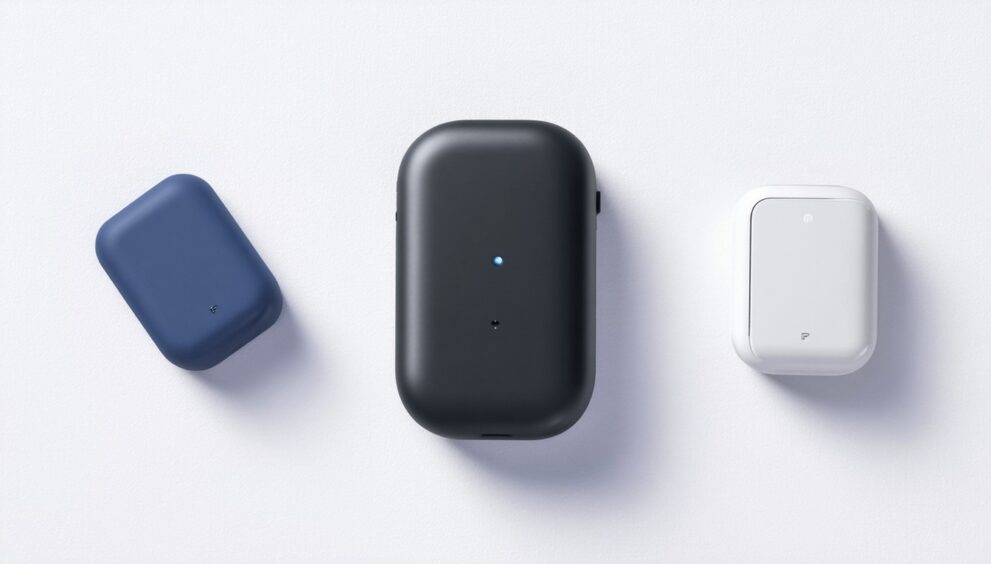
Poken is a digital networking platform that enables users to exchange contact information, documents, and digital content with a simple touch or tap between devices. While its roots lie in specialized USB-enabled gadgets (often called “pokens” or “Poken devices”), the platform now integrates with mobile apps and cloud systems to cater to modern connectivity needs.
Key Features of the Poken Platform
Poken’s success can be traced to several core features:
- Touch-Based Data Exchange: The iconic Poken devices allow users to “high-five” their gadgets, instantly exchanging digital business cards. In the app ecosystem, similar functionality is replicated via near-field communication (NFC) or QR codes.
- Centralized Digital Hub: Users’ collected contacts and materials are stored in an online portal, simplifying follow-up and organizing connection history.
- Event Analytics and Lead Capture: For organizers, Poken provides real-time analytics on attendee networking, session interest, and content downloads, turning chaotic event traffic into actionable insights.
Evolution from Gadget to Platform
Early adopters recall Poken’s charming USB “hand” devices that became a staple at tech-savvy events. The rise of mobile apps and cloud services prompted Poken to expand its solution portfolio, ensuring broad compatibility and a frictionless digital experience.
“Poken didn’t just digitize the business card—it reimagined the very act of professional introduction and engagement,” observes an event technology analyst, summing up Poken’s impact on event-driven networking.
How Poken Transformed Event Networking
Professional events, from international trade shows to academic conferences, have long struggled with the limitations of paper business cards—susceptible to loss, difficult to organize, and environmentally wasteful. As digital-first cultures gained momentum, Poken addressed a clear gap in the market.
Real-World Applications and Case Studies
Boosting Engagement at Major Conferences
At the international Mobile World Congress, Poken was deployed to tens of thousands of attendees, enabling seamless digital introductions and content sharing. Organizers could monitor traffic flows, exhibitor engagement, and which presentations generated the most buzz.
Sustainable, Data-Rich Lead Capture
Exhibitors at events like IMEX America have leveraged Poken to move away from printed collateral and manual lead forms. As a result, they not only collected higher-quality data but also reduced operational costs and environmental impact—a growing concern for modern organizations.
Hybrid and Virtual Adaptation
The COVID-19 pandemic accelerated a shift to hybrid and fully digital events. Poken’s platform pivoted rapidly, providing virtual networking lounges and content hubs where attendees could connect, exchange digital “pokens,” and access event materials without physical contact.
The Benefits and Limitations of Poken
While Poken’s approach addresses many pain points, it’s important to evaluate both its strengths and challenges.
Advantages That Set Poken Apart
- Frictionless Networking: No more tedious data re-entry from collected business cards—connections and materials are instantly accessible online.
- In-Depth Analytics: Event organizers gain a granular view of attendee behavior, aiding in measuring ROI and planning future events.
- Eco-Friendly Operations: By digitizing content exchange, Poken supports “green” event initiatives and reduces waste.
- Enhanced Follow-Up: Automated digital records make post-event communication highly efficient.
Persistent Challenges
- Hardware Dependency (for classic models): Earlier iterations required dedicated devices, introducing additional logistics.
- Adoption Curve: For attendees unfamiliar with digital networking, onboarding can require training or in-event support.
- Privacy Concerns: As with any data-driven platform, users may have questions regarding how their contact info is stored and used. Poken generally adheres to strong privacy and security protocols, but trust remains an ongoing consideration.
Poken’s Place in a Crowded Digital Networking Landscape
Digital networking is a dynamic space, featuring a range of solutions from LinkedIn’s QR codes to event-specific platforms and NFC-enabled business cards. Poken differentiates itself by focusing on high-engagement environments—particularly large-scale events—where instantaneous, data-rich connections are most valuable.
Industry Trends and Future Outlook
- Integration with Event Management Systems: Seamless CRM and marketing tool integration means that leads captured via Poken can be funneled directly into sales workflows.
- AI-Driven Recommendations: Some providers, including Poken’s platform, have begun experimenting with smart matchmaking to help attendees connect with the most relevant peers or exhibitors.
- Mobile-First Experiences: As BYOD (“bring your own device”) becomes standard at events, the emphasis has shifted further toward app-based digital networking solutions—an area where Poken has invested significant product resources.
The Human Element Still Matters
Despite rapid digitalization, relationship-building remains fundamentally human. Poken seeks to preserve the spontaneity of in-person meetings while leveraging technology to enhance outcomes.
“The value of a connection isn’t in how it’s captured, but in what it enables afterward—genuine relationships, strategic collaborations, and continuous discovery,” notes a leading event strategist.
Conclusion: Where Digital Networking Goes from Here
Poken stands as a compelling example of how technology can both modernize and humanize professional interactions. Its journey—from quirky USB gadgets to robust cloud-based services—reflects a broader movement toward seamless, insightful, and sustainable networking. Organizations seeking to maximize event ROI, foster engagement, and streamline lead capture will find Poken’s solution not only relevant but forward-thinking.
By prioritizing usability, analytics, and integration, Poken isn’t just a tool—it’s a catalyst for meaningful professional relationship-building in a digital world.
FAQs
What is Poken used for?
Poken is used for digital networking at events, enabling users to exchange contact details, documents, and other information through touch-based devices or mobile apps.
How does Poken work at conferences or exhibitions?
Attendees use either a dedicated device or a mobile app to “tap” and exchange digital business cards and content, which are then compiled in a personal online hub for easy access and follow-up.
Is Poken only for in-person events?
No, Poken has evolved to support hybrid and virtual events, offering digital content exchange, networking lounges, and lead capture without the need for physical contact.
Are there privacy and data security risks with Poken?
Poken generally follows strict privacy protocols, but as with any digital platform, users should be aware of data usage policies and safeguard their own information.
Can Poken integrate with existing CRM or event management solutions?
Yes, many iterations of the Poken platform offer integration with popular CRM and event management tools, streamlining lead follow-up and analytics.
What are some alternatives to Poken for digital networking?
Alternatives include NFC-enabled business cards, QR-based solutions like LinkedIn’s QR connect, and comprehensive event apps that offer networking, scheduling, and lead capture features.