

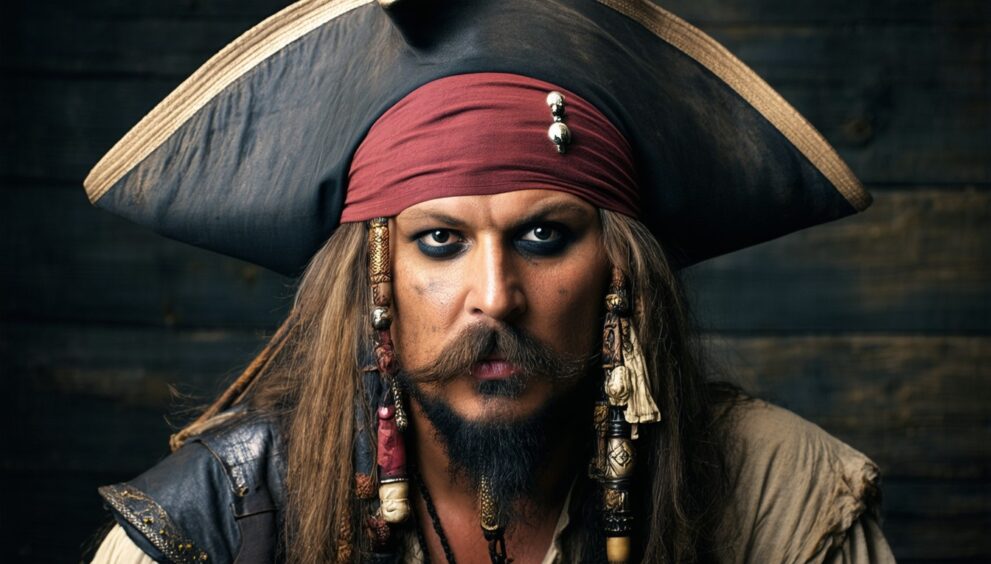
Pirate folklore captivates with visions of treasure maps, swashbuckling sword fights, and—perhaps most iconically—the guttural expression, “arrr!” This seemingly simple utterance has become synonymous with pirate culture in popular media, from Halloween costumes to Hollywood blockbusters. But beneath its surface, the word “arrr” carries centuries of linguistic evolution, theatrical exaggeration, and the collective imagination of generations. Where did this pirate expression originate, and why has it become such an enduring symbol?
The Historical Roots of “Arrr”: Fact Versus Fiction
Most casual references to “arrr” conjure images of weathered mariners bellowing from the deck of a wooden galleon. Yet, historians note that the classic pirate “arrr” is largely an invention of modern entertainment, with scant documentation in authentic pirate logs or records from the so-called Golden Age of Piracy (roughly 1650–1730).
Instead, scholars point to regional English dialects for its origins—particularly the West Country of England, where phrases with rolling “r”s like “arrr,” “aye,” and “arrgh” were commonplace. Seafarers hailing from Cornwall, Devon, and Dorset often infused speech with such expressions, which were later magnified for dramatic effect.
The Power of Performance: Hollywood’s Pirate Speak
The biggest turning point came not on the high seas but on a Hollywood set. Actor Robert Newton’s portrayal of Long John Silver in the 1950 Disney film “Treasure Island” is widely credited with establishing the trope of the gruff, “arrr”-spouting pirate. Newton, himself from Dorset, leaned on his natural accent, improvising dialogue that would go on to shape pop culture’s perception of pirate language.
“Newton’s performance set a template for how pirates would sound in films, theme parks, and even video games for decades after,” observes maritime linguist Miriam A. Meyer.
After Newton’s influential role, subsequent films, novels, and children’s experiences at themed attractions cemented “arrr” as a global shorthand for pirate talk.
Decoding the Meaning Behind “Arrr”
Unlike many catchphrases, “arrr” doesn’t have a single, fixed meaning. In regional dialects and theatrical usage, it functions variably—to express agreement (“yes”), excitement, annoyance, or simply serve as a vocal filler. Its meanings shift with tone, context, and delivery.
- Agreement or affirmation: Responding to a captain’s order with a defiant “arrr!”
- Emphasis: Heightening the impact of a boast or threat.
- Filler or pause: Giving dramatic effect during conversation or storytelling.
These interpretive nuances mirror those in other expressive interjections found in English and beyond, such as “aha,” “hmm,” or “oy.” The flexibility of “arrr” is part of what allows it to endure in the cultural imagination.
Cultural Impact: “Arrr” Beyond the Scripts
Over the last half-century, “arrr” has moved far beyond the boundaries of theater and celluloid. Its widespread adoption peaked with the proliferation of pirate festivals and events, such as the annual “Talk Like a Pirate Day,” celebrated each September 19th. Millions worldwide, from schoolchildren to office workers, now join in the jovial spirit of pirate lingo.
Marketing and entertainment brands have also harnessed pirate language for engagement, injecting humor and a sense of adventure into advertising campaigns and user experiences. Social platforms frequently see spikes in “arrr”-laden content tied to relevant dates or trending events. Through memes, TikTok challenges, and community events, “arrr” has become a rallying cry for playful rebellion—the linguistic equivalent of flying the Jolly Roger.
Real-World Examples
- Theme parks such as Disney’s “Pirates of the Caribbean” ride encourage visitors to try out pirate expressions.
- Video games like Sea of Thieves immerse players in stylized pirate worlds, complete with “arrr” dialogue from characters.
- Sports and student groups sometimes adopt pirate imagery, including “arrr,” to foster team identity and camaraderie.
Linguistic Analysis: Why “Arrr” Resonates
At its core, “arrr” exemplifies what linguists call a “phony” dialect—a constructed pattern of speech meant to evoke a particular group or context. Other industries, from finance to tech, use jargon to build in-group belonging, but few slang expressions achieve such instant, cross-generational recognition.
The enduring popularity of “arrr” is partly due to its phonetic punch and spirit of play. Its rolled “r”s, easy pronunciation, and flexibility make it fun to mimic across accents and languages. In particular, the emotional energy packed into a drawn-out “arrr” allows for comedic exaggeration—a cornerstone of its appeal at events and in media depictions.
The Authentic Pirate Voice: Separating Myth from Reality
Despite its long-standing association with pirates, authentic records from the 17th and 18th centuries rarely include “arrr” or similar interjections. Pirate speech, as documented in historical court records and journals, was more likely shaped by the sailors’ diverse backgrounds—a melting pot of languages, dialects, and nautical slang.
Modern research, including linguistic studies and analyses of pirate archives, indicates that maritime cultures developed their own technical vocabulary but that the quintessential “arrr” owes more to 20th-century imagination than actual historical record.
“Reenactors and historians agree that while ‘arrr’ was not a staple of genuine pirate speech, its modern adoption speaks to the way fiction can drive tradition,” notes historian David Cordingly in his study of pirate myths.
Conclusion: The Enduring Legacy of “Arrr”
While the expression “arrr” may not anchor itself in authentic pirate history, it embodies the power of storytelling, performance, and collective imagination. Rooted in regional English dialects but popularized by stage and screen, “arrr” continues to inspire new generations with the thrill of adventure and the joy of playful rebellion. Its legacy is a reminder that language is not just a means of communication, but also a canvas for cultural creativity.
For educators, performers, and anyone seeking to inject a sense of fun into communication, “arrr” offers a case study in how a single sound can spark joy, laughter, and connection across centuries.
FAQs
What does “arrr” actually mean in pirate talk?
“Arrr” can express agreement, excitement, menace, or simply serve as a dramatic filler in dialogue. Its meaning often depends on tone and context.
Did real pirates really say “arrr”?
Historical evidence suggests that pirates likely did not use “arrr” as often as modern media suggests. The term mainly gained popularity through film and stage portrayals rather than authentic pirate logs.
Where did the expression “arrr” come from?
The word “arrr” is tied to the West Country dialect of England and was popularized by actors—especially Robert Newton—in pirate-themed films.
Why is “arrr” so commonly associated with pirates today?
Its enduring association comes from decades of pop culture representation, notably movies, theme parks, and special events like “Talk Like a Pirate Day.”
Is there a correct way to say “arrr”?
There’s no single correct pronunciation; its charm lies in its exaggerated delivery and rolled “r” sound, which anyone can playfully imitate.