

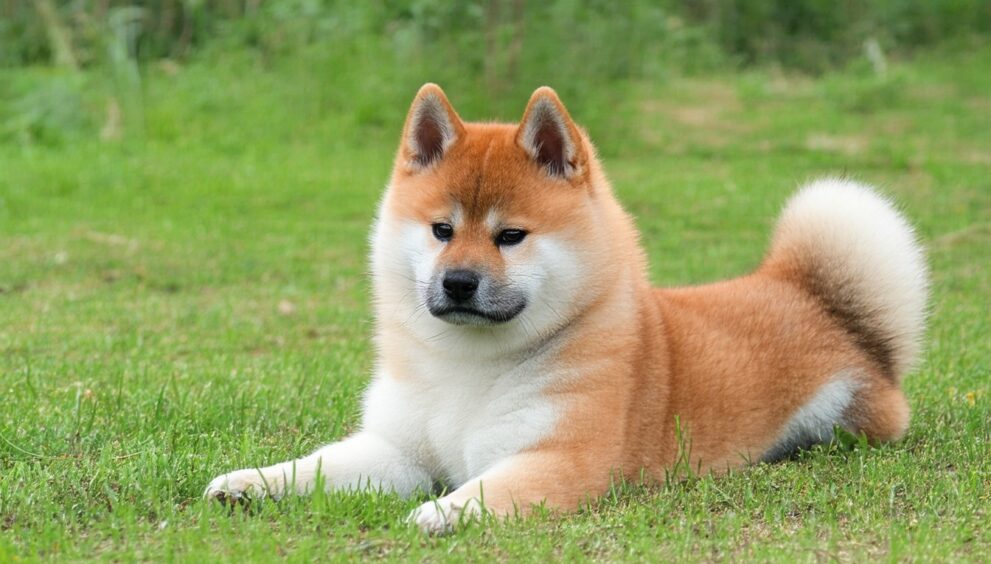
Many dog lovers gravitate toward well-known breeds, but a growing number are seeking the companionship of lesser-known canines that offer unique qualities. The Kiba Inu, often mistaken for the more widely recognized Shiba Inu or Akita Inu, stands out among its peers. While details about this breed remain scarce in mainstream Western canine culture, enthusiasts appreciate the Kiba Inu’s blend of loyalty, intelligence, and striking appearance. This guide explores the Kiba Inu’s history, temperament, care requirements, and suitability for modern families, providing both newcomers and experienced dog owners with a comprehensive understanding of this captivating dog.
The Origins and History of the Kiba Inu
A Breed With Ancient Roots
The Kiba Inu is typically reported as hailing from Japan, joining a lineage of “Inu” (dog) breeds such as the Shiba Inu and Akita Inu. While specific records are scarce, it is widely believed that the Kiba Inu developed in mountainous regions, valued by hunters and villagers for its agility, sharp senses, and stamina. Over generations, selective breeding favored traits such as keen intelligence, weather-resistant coats, and a pronounced sense of loyalty to their handlers.
Distinction From Other Inu Breeds
Unlike the Shiba Inu, renowned for its foxlike facial features and compact build, or the Akita, celebrated for its imposing size and protective nature, the Kiba Inu typically occupies an intermediate niche. The breed’s physical and temperamental traits blend elements from both ends of the Inu spectrum.
“While not as famous as its canine cousins, the Kiba Inu embodies many of the qualities that have made Japanese breeds prized for centuries—adaptability, intelligence, and a sense of quiet dignity.”
—Dr. Masami Yamada, Japanese Canine Historian
In contemporary times, the Kiba Inu is gradually gaining recognition among dog enthusiasts outside Japan, thanks in part to cultural curiosity and interest in unique companion animals.
Physical Appearance and Breed Standards
Size, Coat, and Distinctive Features
The Kiba Inu typically falls into the medium-size category, standing roughly 18–22 inches at the shoulder and weighing around 30–45 pounds, though variations exist depending on lineage and region. Its build is athletic but not overly bulky, reflecting its origins as a versatile working dog.
Kiba Inus are characterized by:
- Thick, double coats in hues such as red, brindle, or sesame
- Upright, triangular ears and expressive almond-shaped eyes
- A slightly curled or sickle-shaped tail
- Well-defined musculature
The breed’s weather-resistant fur enables it to thrive in variable climates, making it suitable for both urban and rural environments.
Grooming Needs
Their double coat sheds seasonally and requires consistent brushing, especially during spring and fall. Regular grooming not only maintains appearance but also supports the breed’s overall health.
Temperament: Loyalty Balanced With Independence
Core Personality Traits
Kiba Inus depict a fascinating interplay between independence and devotion. Owners often describe them as alert watchdogs who are nonetheless gentle with their families. They are naturally reserved around strangers, which aids their function as protective companions.
Key temperament highlights include:
- Sharp intelligence and problem-solving abilities
- Willingness to bond deeply with a respected owner
- Strong prey drive and agile movement, a remnant of their hunting heritage
- Moderate energy, favoring both vigorous play and restful downtime
Family Compatibility and Socialization
Well-socialized Kiba Inus adapt well to children and other pets, but early and consistent exposure to diverse people, places, and experiences is crucial. Without it, their innate caution may manifest as stubbornness or aloofness.
Beyond their family, these dogs often maintain a dignified distance, choosing to interact on their own terms. In practice, patient and positive reinforcement training produces the best behavioral outcomes.
Training, Exercise, and Mental Enrichment
The Importance of Early Training
Intelligent and sometimes strong-willed, the Kiba Inu responds well to structured, reward-based training. Handlers often note that repetition alone is insufficient; sessions that incorporate new challenges and meaningful engagement yield better long-term results.
Recommended training methods include:
- Positive reinforcement with treats or favorite toys
- Short, frequent training sessions to prevent boredom
- Exposure to different environments, sights, and sounds
- Early socialization with people and animals alike
Physical and Mental Activity Requirements
This breed needs regular physical exercise, such as brisk walks, interactive play, or even agility activities. At least 60 minutes of varied exercise per day is ideal to keep their body and mind sharp.
Mental stimulation, in the form of puzzle toys, scent games, or obedience practice, further helps curb any excessive independence or mischievous tendencies.
Health Considerations and Longevity
Common Health Issues
Like many Japanese breeds, the Kiba Inu benefits from a legacy of robust genetics, though vigilance remains essential. Occasional reports highlight predispositions to joint issues (such as hip dysplasia) and certain hereditary eye conditions. Regular veterinary wellness checks, along with responsible breeding practices, go a long way toward minimizing such risks.
On average, the Kiba Inu enjoys a lifespan of 12–15 years, aligning with other mid-sized breeds.
Nutrition and Preventive Care
A balanced diet tailored to their activity level and age supports healthy weight and longevity. Fresh water, high-quality protein sources, and regular monitoring for food sensitivities are best practices for this breed.
Routine preventive care—including annual vaccinations, dental cleanings, and parasite control—rounds out their overall wellness plan.
Choosing and Caring for a Kiba Inu
Is a Kiba Inu Right For You?
Owners who thrive with independent, intelligent, and active companions are likely to find the Kiba Inu a rewarding match. They prosper most in households that value structure, socialization, and regular engagement.
Before committing, potential owners should confirm breed legitimacy, as similar-looking “Inu” dogs or mixed breeds are sometimes misrepresented by uninformed or unscrupulous sellers.
Responsible Acquisition and Community Support
Seek reputable breeders committed to health and temperament above all. Multiple breed-specific rescue organizations may also assist prospective adopters, providing support, guidance, and ongoing resources.
Integration into a wider Kiba Inu community—whether online or in-person—can offer practical tips and a sense of camaraderie, especially for first-time Inu owners.
Conclusion: The Kiba Inu’s Enduring Charm
The Kiba Inu represents an intelligent, loyal, and adaptable companion for the right household. Its combination of ancient lineage, attractive appearance, and complex personality make it a standout among Japanese breeds. With attentive care, proper socialization, and a proactive approach to health, Kiba Inu owners can look forward to many fulfilling years with these remarkable dogs. For those drawn to unique canine companions with a storied past, the Kiba Inu just may be the perfect choice.
FAQs
What makes the Kiba Inu different from the Shiba Inu or Akita Inu?
The Kiba Inu is generally medium-sized and blends features from both Shiba and Akita breeds, resulting in a unique appearance and balanced temperament. It is known for being both loyal and independent, with an athletic build.
Are Kiba Inus suitable for first-time dog owners?
While they are intelligent and trainable, the Kiba Inu’s independence and need for early socialization may present challenges for novice dog owners. Experienced handlers usually achieve better training and social adjustment.
How much exercise do Kiba Inus need?
Kiba Inus thrive on at least an hour of daily physical activity combined with mental stimulation like puzzle toys or agility training. Without adequate engagement, they may become bored or exhibit unwanted behaviors.
Do Kiba Inus get along with children and other pets?
With early socialization, Kiba Inus are generally good family dogs and can coexist with children and other animals. However, supervision and gradual introductions are important, especially with small pets due to their prey drive.
What are the breed’s main health concerns?
Kiba Inus are considered healthy, but may occasionally face issues such as hip dysplasia or hereditary eye conditions. Regular veterinary check-ups and responsible breeding help prevent most serious health problems.
Where can I find a reputable Kiba Inu breeder or rescue?
Start with national or regional Japanese breed organizations, ask for health certifications, and seek referrals from existing owners. Rescue groups specializing in Japanese dog breeds can also be reliable sources for adoption.