
Pulse Chain has quickly established itself as one of the most watched layer-1 blockchain platforms among decentralized finance (DeFi) enthusiasts and cryptocurrency investors. Launched with the ambitious goal of delivering faster throughput and significantly lower fees compared to Ethereum, Pulse Chain’s underlying token (commonly referred to as PLS) has drawn widespread attention in both speculative and development circles. Unlike the more established giants in the cryptocurrency world, Pulse Chain’s value proposition is rooted in its role as a cost-effective, environmentally conscious alternative built with developer-friendly tooling and high compatibility.
Almost from its inception, market participants have closely tracked the Pulse Chain price, monitoring both live charts and broader market trends. The hype surrounding its initial launch reflected not only the speculative fervor but also real optimism about blockchain innovation. Yet, as with any emergent technology, the evolving value of Pulse Chain is deeply intertwined with adoption rates, developer engagement, and the volatile currents driving crypto markets more broadly.
Live Pulse Chain Price Charts: What Investors Are Watching
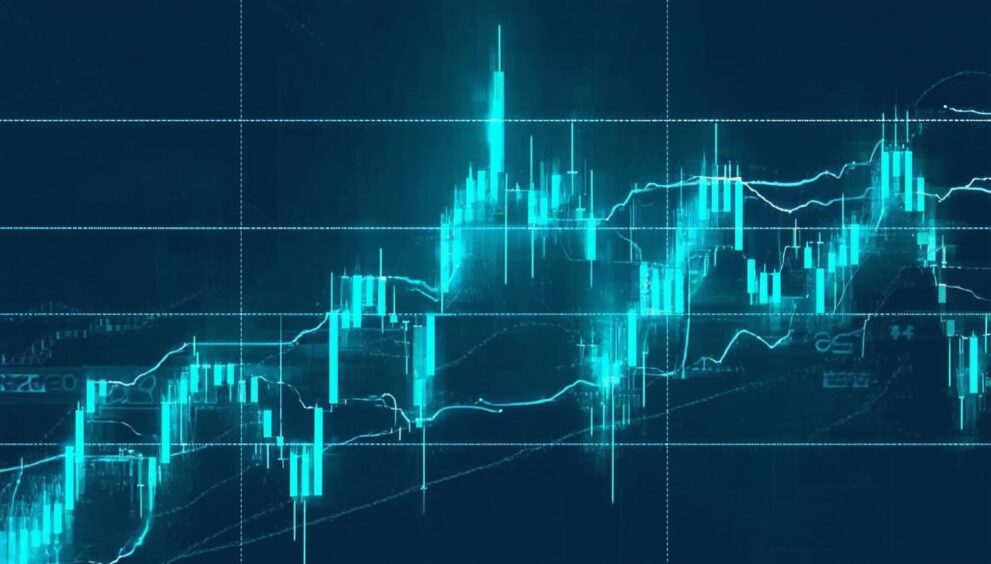
Real-time tracking of Pulse Chain’s price provides more than just a snapshot of its momentary value. Live price charts capture the interplay between trading volume, liquidity, and the latest market-moving news events.
Key Metrics and Their Significance
The primary metrics that traders and analysts observe on Pulse Chain price charts include:
- Current Price (USD/ETH/USDT pairs): Core measure for valuation on leading exchanges.
- Market Capitalization: Reflects overall network value and the PLS token’s standing versus competitors.
- 24-Hour Trading Volume: Indicates liquidity and can flag potential volatility spikes.
- Price Change (Hourly/Daily/Weekly): Helps traders spot momentum or trend reversals.
- Liquidity Pool Depth: Especially important on decentralized exchanges (DEXs) for assessing slippage risk.
These datasets are often visualized with technical indicators such as moving averages (MA), Relative Strength Index (RSI), and Fibonacci retracements, popular among both short-term traders and long-term holders assessing entry and exit points.
Noteworthy Examples in Practice
In early trading phases, Pulse Chain saw significant swings in price, a phenomenon familiar to new blockchain launches. For example, during its post-launch week, liquidity influxes from both retail and “whale” wallets resulted in double-digit percentage moves within hours—echoing the volatility often observed in other DeFi token launches.
“High volatility is endemic to emerging blockchain ecosystems, especially before the market establishes a clear consensus on fair value,” observes crypto market strategist Elena Vasquez.
Market Trends Shaping Pulse Chain’s Valuation
The journey of Pulse Chain’s price is shaped by more than speculative trading. Several industry-wide and project-specific trends underscore its market behavior and long-term prospects.
Factors Impacting Pulse Chain Price
1. Adoption and Network Activity
Pulse Chain’s price dynamics are heavily influenced by metrics such as daily active addresses, transaction count, and the growth of dApps built atop the platform. A surge in DeFi project launches or increased developer activity often precedes upward moves in token valuation.
2. Integration With CEXs and DEXs
Listing Pulse Chain on major centralized exchanges (CEXs), as well as deepening its liquidity on popular decentralized exchanges, significantly enhances accessibility. This, in turn, stimulates trading activity and often correlates with pronounced price action.
3. Sentiment From Social and Developer Communities
Community-driven speculation remains a hallmark of cryptocurrency markets. Trends in Pulse Chain’s online sentiment—whether sparked by prominent “crypto influencers” or organic user engagement in forums—can have immediate, if sometimes short-lived, effects on its short-term price.
4. Macro Market Movements
Macro events like Federal Reserve policy changes, Bitcoin price swings, and Ethereum network upgrades ripple outwards to all major crypto assets. Pulse Chain is not immune; its price often tracks the broader risk-on, risk-off dynamics of the digital asset class.
Real-World Comparisons: Pulse Chain and Contemporaries
Pulse Chain’s positioning has prompted comparisons with platforms like Avalanche, Solana, and Polygon. Each of these layer-1 or sidechain projects experienced periods of rapid appreciation tied to waves of new DeFi applications and unique selling points such as transaction speed or specific consensus models. Pulse Chain’s challenge—and, by extension, its upside potential—lies in sustaining developer interest and cultivating a robust ecosystem that translates to real, durable value.
Technical Analysis and Price Forecast: Reading Between the Lines
Technical analysis remains a core approach for traders seeking an edge in navigating Pulse Chain’s price action. While the crypto market resists prediction more than most asset classes, structured frameworks nonetheless help manage risk.
Common Technical Frameworks Employed
- Support and Resistance: Identifying key price levels where PLS has historically bounced or retraced.
- Volume Profile: Analyzing where the bulk of trading action occurs, which can indicate accumulation zones.
- Momentum Oscillators: Using tools like MACD or RSI to gauge whether the market is overbought or oversold.
Importantly, most analysts caution against overreliance on these tools without factoring in crypto-specific volatility.
“No chart operates in a vacuum—news shocks, regulatory announcements, and even coordinated online campaigns can override the cleanest technical setups,” warns blockchain analytics expert Joshua Kim.
Cautionary Tales and Success Stories
Numerous market participants have seen both outsized gains and sudden losses in short timeframes amid Pulse Chain’s price swings. A well-publicized sequence involved early buyers benefiting from a rapid liquidity surge, only for late entrants to absorb sharp corrections when speculative momentum waned. The lesson for investors remains clear: technical analysis should be married to disciplined risk management and an awareness of the broader market context.
The Latest Updates: Partnerships, Protocol Developments, and Roadmap Progress
Developments from Pulse Chain’s core team and wider ecosystem continue to shape its mid- and long-term value potential.
Protocol Upgrades and Ecosystem Expansion
Major updates—such as layer-2 scaling initiatives, cross-chain bridging capabilities, or the introduction of yield farming incentives—often act as catalysts for renewed interest and price movements. Similarly, announcements of new partnerships with established DeFi protocols or integrations on popular dApps can have a marked impact.
Regulatory and Security Considerations
As regulatory bodies around the globe sharpen their focus on DeFi, Pulse Chain’s protocol security, transparency, and compliance will weigh heavily on institutional investor confidence. Any major security breach or regulatory bottleneck could quickly dampen bullish sentiment, emphasizing the importance of robust technical due diligence.
Conclusion: Navigating the Future of Pulse Chain Price
Pulse Chain’s price remains at the intersection of speculative energy, technological promise, and the ever-evolving landscape of decentralized finance. Real-time price charts, technical analysis, and ecosystem news provide essential context for investors and users aiming to gauge its prospects. Ultimately, ongoing adoption, robust network activity, and the platform’s capacity to deliver on its roadmap will likely be the most reliable indicators of Pulse Chain’s place in the crypto market hierarchy.
For those following Pulse Chain, discipline, skepticism, and openness to new data remain crucial. As the market matures and the technology advances, keeping a close watch on both fundamental developments and broader crypto trends will provide the best odds of informed decision-making.
FAQs
What is Pulse Chain and how does it differ from other blockchains?
Pulse Chain is a layer-1 blockchain designed to offer faster transactions and lower fees compared to Ethereum. Its network is highly compatible with Ethereum’s ecosystem, making it attractive for developers seeking scalability without high costs.
How can I track the live price of Pulse Chain?
The live price of Pulse Chain (PLS) is available on major cryptocurrency data aggregators, as well as decentralized exchanges that support the token. Real-time updates include trading volume, current value in various trading pairs, and historical price charts.
What factors contribute to Pulse Chain’s price changes?
Pulse Chain’s price is shaped by network adoption, trading activity, integration with exchanges, developer sentiment, and the general trend of the broader cryptocurrency market. Major news or development milestones can also cause sharp price shifts.
Is Pulse Chain considered a risky investment?
Like most new blockchain tokens, Pulse Chain carries significant price volatility and risk. Those considering investment should assess their risk tolerance, research the project’s fundamentals, and avoid overexposing themselves to any single asset.
Are there any regulated exchanges listing Pulse Chain?
Pulse Chain’s availability on regulated centralized exchanges may be limited, especially during early adoption stages. Most trading occurs on decentralized platforms, but listings may increase as the project matures and meets compliance standards.