

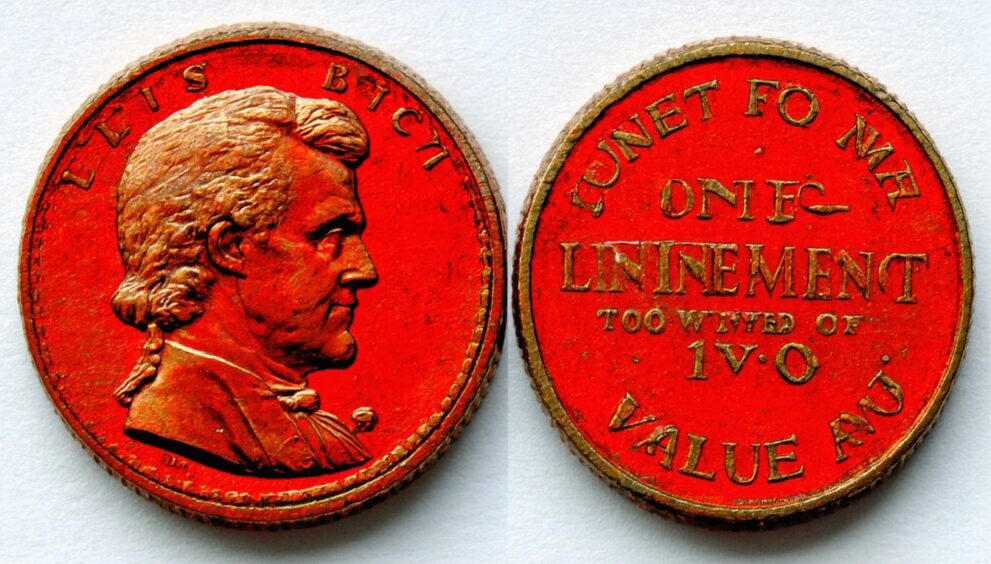
From ancient empires to digital networks, coinage has always fascinated collectors and investors alike. Among the myriad of collectibles, the “red coin” occupies a special niche. Characterized by its distinctive reddish hue—often a result of unique copper alloys or circulation wear—red coins are valued for their history, scarcity, and visual appeal. For both seasoned numismatists and curious newcomers, understanding what gives these coins their value requires delving into their origins, how they’re used, and the best practices for collecting them in a rapidly evolving marketplace.
Understanding Red Coins: Origins and Characteristics
Red coins are typically defined by their copper-rich alloy, which can develop a vibrant red or red-brown patina. Numismatically, the term “red” frequently refers to the brightest copper luster seen on uncirculated coins, particularly pennies and cents struck in copper or bronze.
Common Examples Across History
- United States Lincoln Cents: Early 20th-century “red” Lincoln cents, made mostly of copper, are sought after in pristine, unoxidized condition and designated “RD” (red) in grading.
- Ancient Roman Asses: Many early Roman coins were minted in red bronze, notable for their distinct coloration.
- Modern Collector Issues: Limited-run releases, like Canada’s colored centennial coins, use coppery finishes as a nod to tradition.
The visual difference between “red,” “red-brown,” and “brown” copper coins impacts value dramatically. Those with a strong original red luster command significant premiums at auction.
The Uses and Cultural Significance of Red Coins
Beyond collecting, red coins have played pragmatic and symbolic roles around the world.
Practical Applications
Historically, red copper coins facilitated everyday commerce due to their relatively low intrinsic value and ease of minting. Governments have utilized copper or bronze coins for small denominations to ensure durability and affordability.
Symbolism and Tradition
Red is often considered a symbol of luck or prosperity in various cultures. In Chinese New Year celebrations, red envelopes traditionally contain coins, reflecting wishes for fortune. Some gaming and arcade tokens, colloquially referred to as “red coins,” represent bonus points or special achievements, broadening the term’s usage beyond physical currency.
Modern Digital Parallels
In cryptocurrency and digital collectibles, the term “red coin” has even found new meaning. Projects such as Reddcoin (RDD) leverage the brandable appeal of the color red to distinguish themselves in a crowded marketplace, although their connection to physical coin collecting is more metaphorical than tangible.
Factors Affecting the Value of Red Coins
Coin valuation can be an intricate process, hinging on condition, rarity, market demand, and documented provenance.
Condition: The Appeal of Original Luster
A coin’s grade is paramount. For copper coins, the presence and intensity of the original red luster—resulting from untouched mint surfaces—usually means higher value.
“The difference between a full red uncirculated cent and its brown counterpart can be astronomical. Collectors will often pay multiples for red examples, given their rarity and eye appeal.”
— Dr. Karen Sylvan, Numismatics Historian
Even subtle environmental factors, such as humidity or improper storage, may turn a red coin brown over decades. This makes true “red” examples from past eras notably scarce.
Rarity and Minting Anomalies
Mint errors and low production runs have made certain red coins especially valuable:
– Key Dates: Coins minted in small quantities, such as the 1909-S VDB Lincoln cent, routinely draw competitive bidding if still displaying red coloration.
– Die Varieties: Unique die errors or experimental alloys spur heightened interest among specialists.
Market Demand and Certification
Third-party grading agencies have standardized red coin evaluation with designations like “RD” (Red), “RB” (Red-Brown), and “BN” (Brown). Certified coins, especially those slabbed by the Professional Coin Grading Service (PCGS) or Numismatic Guaranty Company (NGC), offer transparency and assurance to buyers—which, in turn, enhances liquidity and investment confidence.
Building a Collection: Strategies and Best Practices
For those interested in assembling a collection of red coins, purpose and budget should determine approach.
Starting Out: Foundations of a Smart Collection
Beginners may focus on:
– Acquiring common-date copper coins in premium red condition.
– Learning proper storage to prevent environmental degradation.
– Using reputable dealers and online marketplaces with clear return policies.
Advanced Collecting: Rare Issues and Investment Potential
Experienced enthusiasts often seek rarer key dates or varieties, sometimes targeting coins with unique provenance (e.g., from a famous hoard or museum sale). Carefully graded and slabbed specimens carry less risk, but usually command higher entry prices.
Case in Point: The Lincoln Cent Market
The dynamic market for red Lincoln cents highlights how grading can change valuations overnight. For example, a mid-century “red” cent in PCGS MS67 grade might fetch thousands, while the same coin in lower grade or creamy brown tone may trade for mere dollars.
Handling and Storage: Preserving Original Color
Long-term value depends on preservation. Use acid-free holders, store in climate-controlled environments, and avoid handling coins with bare hands.
The Role of Red Coins in Modern Numismatics
Red coins continue to capture the imagination of collectors and investors alike. Auction results regularly set new records for high-grade red copper coins. Furthermore, the storytelling aspect—tracing a coin’s journey from the mint to present day—adds a human layer to what can otherwise be a technical pursuit.
Within auction catalogs and conventions, red coins epitomize the best blend of history, rarity, and pure aesthetic pleasure. As digital collecting and verification technologies advance, access to these coins evolves, but the fundamentals of value and beauty remain unchanged.
Conclusion: The Lasting Value of Red Coins
Red coins offer more than just numismatic interest; they serve as touchstones of economic history and cultural symbolism. High-grade red coins are both beautiful artifacts and investment vehicles, with values driven by rarity, preservation, and collector enthusiasm. Whether you’re drawn to their vibrant appearance or the stories they represent, red coins remain a dynamic and rewarding area within the broader collectibles world. For those looking to start—or refine—a collection, focusing on preservation and acquiring certified specimens will ensure lasting enjoyment and potential appreciation in value.
FAQs
What makes a “red coin” different from other copper coins?
A red coin retains its original mint luster and coloration, distinguishing it from coins that have toned to a brown or red-brown shade due to oxidation or handling.
How can I identify if my coin is truly “red” in numismatic terms?
Professional grading services assign “RD” (Red) designations to coins with 95% or more of their original red surfaces visible. Visual comparisons and expert opinions can help, but official certification offers confidence on status.
Why are red coins generally worth more than their brown counterparts?
Red coins are scarcer, especially as they age, because environmental exposure gradually dulls their color. Collectors prize the vibrant look of an original red surface, driving up demand and price.
What’s the best way to store red coins to preserve their color?
Store coins in acid-free holders or capsules, handle them minimally (with gloves if possible), and maintain a stable, low-humidity environment to slow natural oxidation.
Are red coins a good investment?
While some red coins—especially certified rarities—have shown strong appreciation, values can fluctuate. It’s wise to study market trends, purchase only authenticated pieces, and collect with both enjoyment and caution in mind.