
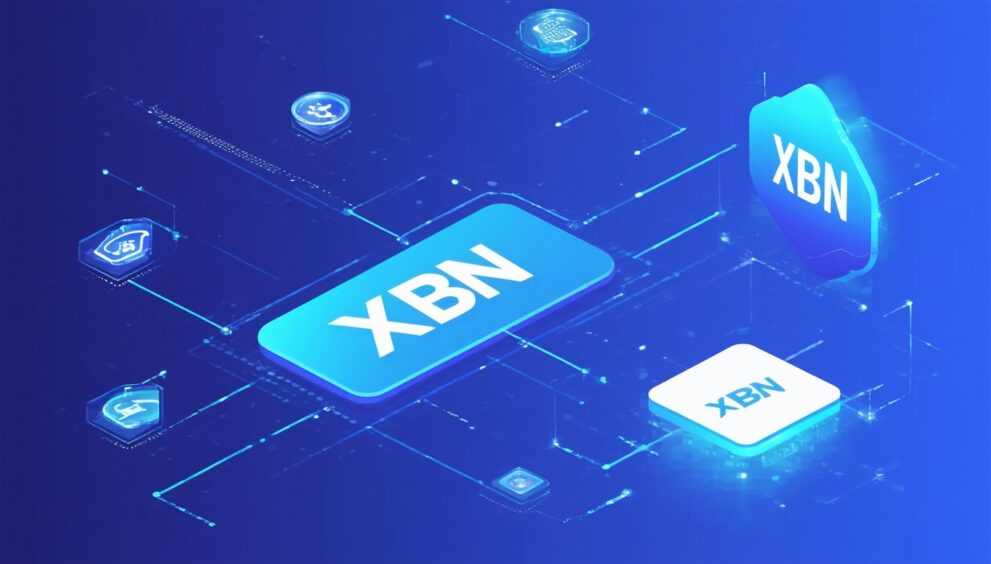
In today’s rapidly evolving digital landscape, new terms and technologies often emerge promising greater efficiency, security, and connectivity. One term gathering traction across technical and business circles is “XBN.” While the acronym may represent different implementations depending on context, XBN commonly refers to eXtensible Blockchain Network—a modular, interoperable ecosystem designed to meet the demands of modern decentralized applications.
XBN holds significance for businesses and individuals aiming to leverage blockchain beyond isolated ledgers. It serves as a foundation for advanced solutions, including digital asset management, smart contracts, and secure cross-chain communication. As innovation accelerates, XBN’s blend of scalability, flexibility, and robust security standards pushes it to the forefront of digital transformation strategies.
Key Features of XBN
XBN aims to solve critical industry bottlenecks by introducing features that outpace legacy blockchain and networking architectures.
Modular Interoperability
Traditional blockchains often suffer from siloed ecosystems, limiting the transfer of assets or data between networks. An essential feature of XBN is its modular design, allowing seamless interoperability between public and private blockchains. This means that organizations can tailor protocols, plug-in compliance modules, or connect disparate databases without overhauling existing infrastructure.
Scalable Architecture
Scalability remains a pressing challenge for mainstream blockchain adoption. XBN addresses this with elastic node management and resource allocation. Networks can dynamically adjust to spikes in transaction volume, ensuring low latency and predictable costs. This capacity is particularly relevant for sectors like supply chain management, digital identity verification, and payments.
Enhanced Security Protocols
Security is foundational to blockchain’s value. XBN leverages multi-layer encryption, decentralized consensus mechanisms, and on-chain auditability. These combine to mitigate risks such as double spending, unauthorized access, and malicious network actors. Security experts often cite XBN’s multipronged approach as a best-in-class example:
“The XBN framework’s layered security architecture sets a new standard for managing private data and digital assets across networks,” notes Dr. Laura Kim, a leading blockchain analyst at TechSecure.
Customizable Governance
XBN stands out by offering adjustable governance layers, enabling organizations to determine voting rights, code upgrades, and dispute resolution protocols. This flexibility is attractive for consortiums, DAOs (Decentralized Autonomous Organizations), and enterprise blockchain deployments needing precise control alongside transparency.
Business Benefits of XBN
The appeal of XBN extends beyond developers—it provides tangible advantages for companies pursuing innovation and efficiency.
Streamlined Operations
Businesses using XBN are able to automate complex workflows with smart contracts, which self-execute when conditions are met. This reduces human error and accelerates processes. For example, logistics companies now use XBN protocols to automate customs clearance, significantly trimming border wait times.
Improved Compliance and Traceability
In regulated industries, compliance and data integrity are paramount. XBN’s immutable data trails and programmable compliance modules make it easier to adhere to regulations such as GDPR, HIPAA, and Sarbanes-Oxley. Pharmaceutical giants, for instance, use XBN to ensure drug provenance and meet international standards.
Lower Costs and Faster Settlement
By minimizing intermediaries and supporting real-time settlements, XBN platforms can reduce operational costs. Financial services providers see reduced reconciliation times, allow for instant cross-border payments, and mitigate the risk of transaction delays.
Accelerated Innovation Cycles
With its plug-and-play framework, XBN enables faster prototyping and deployment of decentralized applications (dApps). This empowers firms, from fintech startups to global manufacturers, to bring innovative solutions to market more swiftly than with traditional stacks.
Real-World Applications of XBN
XBN is not confined to theoretical models—it is increasingly prevalent in practical, industry-grade settings.
Supply Chain Transparency
Global supply chains are often plagued by opacity and counterfeiting. By leveraging XBN, manufacturers, shippers, and retailers create a tamper-proof digital ledger at every step. For example, a leading electronics brand deployed XBN to document component origins, resulting in a marked reduction in counterfeit returns.
Decentralized Finance (DeFi)
DeFi platforms, which facilitate peer-to-peer lending, borrowing, and trading, rely heavily on interoperability. XBN’s cross-chain functionality allows DeFi protocols to offer users access to a broader range of assets and liquidity pools, enhancing both utility and market efficiency.
Cross-Industry Digital Identity
Secure, portable digital identities are crucial for many sectors. XBN has been used by public agencies and banks to issue cryptographically secure IDs, reducing friction for onboarding, KYC (Know Your Customer) verification, and access control.
XBN in Perspective: Expert Insights and Industry Adoption
Widespread adoption of XBN technologies is predicted to accelerate as enterprise blockchain becomes more mainstream. Major consulting firms and technology providers are rapidly iterating on XBN-backed solutions, especially for infrastructure modernization and next-gen security frameworks.
Leading analyst houses have noted XBN’s unique differentiation in producing real-time solutions for data exchange, especially in large organizations with diverse digital assets.
“Transitioning to an extensible blockchain network is now viewed by CIOs as a strategic imperative for future-proofing their digital portfolios,” asserts Priya Mathur, CTO at GlobalData Insights.
Beyond immediate efficiencies, XBN also lays the groundwork for future trends, such as tokenization of physical assets, privacy-preserving data markets, and seamless IoT integration. As blockchain becomes a byword for trust, XBN is poised to become the connective tissue uniting previously fragmented digital worlds.
Conclusion
XBN represents a leap forward in unlocking interoperability, scalability, and security across blockchain solutions. Its feature-rich, modular design empowers both startups and enterprises to build, deploy, and govern applications that are future-ready. As adoption widens—from logistics and finance to identity management—the value of XBN as a backbone for next-generation digital experiences becomes ever more apparent. For organizations navigating digital transformation, incorporating XBN technology is not just an option; it is fast becoming a strategic necessity.
FAQs
What does XBN stand for in the blockchain industry?
XBN typically stands for eXtensible Blockchain Network, referring to a modular and interoperable blockchain ecosystem tailored for modern digital needs.
How is XBN different from traditional blockchain networks?
Unlike legacy networks, XBN emphasizes interoperability, modularity, and customizable governance, enabling seamless cross-chain communication and tailored compliance without sacrificing security.
Which industries are already using XBN solutions?
Industries such as supply chain, finance (especially DeFi), healthcare, and digital identity management have started implementing XBN technology to address transparency, efficiency, and data integrity challenges.
Is XBN suitable for large enterprises?
Yes, XBN’s scalable and customizable architecture is particularly well-suited for large organizations seeking to integrate blockchain into heterogeneous IT environments with complex compliance needs.
Are there security concerns with XBN?
XBN is designed with advanced security protocols, including multi-layer encryption and decentralized consensus, aiming to surpass traditional blockchains in resisting fraud, hacks, and misuse.
Can XBN be integrated with existing applications?
Many XBN frameworks are built to support easy integration with legacy systems and other blockchain protocols, minimizing disruptions and enabling gradual adoption.