

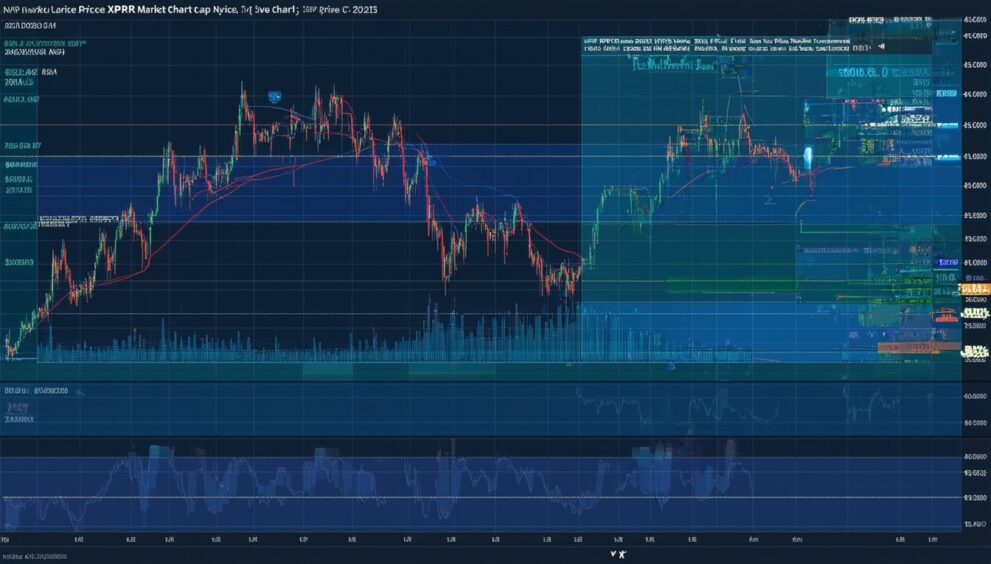
XPR, the native token of the Proton blockchain, frequently captures the attention of cryptocurrency enthusiasts and analysts. As the decentralized finance (DeFi) sector continues to mature, XPR has emerged as both a speculative asset and a foundational element in blockchain-based ecosystems. Monitoring the XPR price, its live market movements, and associated trends provides unique insights into the evolving interplay between technology, adoption, and investor sentiment.
Beyond raw prices, tracking live charts and market cap data sheds light on XPR’s trajectory within a crowded digital currency field. This comprehensive exploration connects technical analysis with real-world developments, enabling a nuanced view of XPR’s potential and the challenges it faces.
Live XPR Price: Charting Movements and Volatility
Real-time XPR price tracking has become vital for both casual traders and seasoned investors. Crypto markets, known for their 24/7 operation and high volatility, make live data critical.
How to Interpret XPR Price Charts
Live charts show how the XPR price fluctuates against major benchmarks such as USD, BTC, or ETH. Key charting tools used by analysts include:
- Candlestick patterns: Reveal intra-day and longer-term price swings.
- Moving averages: Help spot emerging bullish or bearish trends.
- Support and resistance levels: Indicate potential zones where the price may reverse course.
For example, a sudden spike in trading volume alongside a price surge may herald a breakout, while consolidating prices often signal a period of indecision before a new trend emerges.
Short-Term vs. Long-Term Trends
Short-term traders pay attention to XPR’s intraday volatility, often capitalizing on modest price swings. In contrast, long-term investors are more interested in macro factors—such as technology upgrades or significant partnerships—that could drive sustained price increases.
“In cryptocurrency markets, short bursts of volatility can create opportunities, but it’s the underlying fundamentals that ultimately drive the price direction,” observes blockchain strategist Janice Mulvey.
XPR Market Cap: Size, Growth, and Context
Market capitalization—the product of total token supply and current price—serves as a snapshot of XPR’s scale within the crypto universe. While smaller than established cryptocurrencies, XPR’s market cap has shown episodic bursts, often fueled by news events or sector-wide rallies.
Comparing XPR to Other Tokens
XPR’s market cap often fluctuates in the lower-mid tier among altcoins. Its position can shift quickly, however, as price action or increased trading interest draws new liquidity.
- Case Study: During major exchange listings or ecosystem announcements, XPR has experienced double-digit gains in market cap, reflecting an influx of investor confidence and market speculation.
- Real-World Benchmark: When compared with tokens in similar blockchain projects—such as those used for payments or DeFi—XPR consistently demonstrates active user engagement, particularly within the Proton ecosystem.
Fundamental Drivers of XPR Price Movement
Beyond trading patterns, several factors influence the real-time price and long-term potential of XPR.
Technology and Ecosystem Growth
XPR’s underlying value is closely tied to Proton’s blockchain innovations—focusing on fast, free, and user-friendly transactions. Upgrades to infrastructure, new DeFi products, or the integration of NFTs frequently act as catalysts.
Adoption and Partnerships
Real-world use cases, such as onboarding merchants or integrating payment protocols, bolster long-term value. Strategic partnerships or new listings on leading exchanges historically lead to short-term price appreciation.
Macro Trends in Crypto and Regulation
Global shifts, including regulatory developments or macroeconomic uncertainty, directly impact speculative assets like XPR. For instance, tightening regulations may limit access, whereas DeFi growth generally bodes well for utility tokens.
Technical Analysis: Tools for Forecasting XPR Price
Investors rely on technical analysis (TA) to predict potential future price movements. TA for XPR typically incorporates these key mechanisms:
Chart Patterns and Indicators
- Relative Strength Index (RSI): Measures buying or selling pressure—values above 70 often signal overbought conditions, while under 30 suggest oversold status.
- Bollinger Bands: Identify periods of high volatility and potential reversal points.
- Fibonacci Retracement: Highlights possible support/resistance zones after sharp moves.
Volume and Order Book Analysis
Tracking trading volume provides early warning signals for price reversals or breakouts. The order book on major exchanges shows pending buy/sell orders, helping to gauge market sentiment.
Limitations and Cautions
While technical analysis is popular, it presents pitfalls, especially in thinly traded tokens or news-driven markets. Unexpected announcements or market-wide events can override technical patterns, emphasizing the need for risk management.
Latest XPR News: Catalysts and Challenges
Keeping abreast of Proton ecosystem updates and major XPR news is crucial for sound decision-making.
Recent Highlights
- Ecosystem Upgrades: The Proton team periodically announces blockchain improvements—real-time wallet integrations and DeFi protocol rollouts often lead to short-term price spikes.
- Exchange Listings: Whenever XPR becomes available on new global platforms, liquidity tends to rise, accompanied by increased price volatility.
A noteworthy example is the listing of XPR on multiple decentralized exchanges, which enabled greater user participation and prompted temporary price rallies.
Community and Transparency
The Proton community remains vocal across social channels, advocating for transparency and sharing regular development updates. This grassroots engagement helps XPR maintain visibility amid a competitive landscape.
XPR Price Outlook: Risks and Opportunities
Projecting the future price of XPR requires balancing optimism with realism. While enthusiasm for innovative DeFi tools and fast, inexpensive payments supports price appreciation, risks remain:
Key Opportunities
- Broader adoption through merchant partnerships
- Integration with cross-chain solutions for interoperability
- Expanding DeFi use cases, from lending to NFT marketplaces
Risks to Monitor
- Competition from better-established blockchain tokens
- Regulatory changes affecting token trading or DeFi protocols
- Volatile sentiments across cryptocurrency markets
Strategic investors weigh these opportunities and risks, often diversifying holdings to manage exposure.
Conclusion
Tracking the live XPR price, understanding its market cap, and staying updated with news developments paint a multi-dimensional picture of this evolving crypto asset. While XPR’s future will hinge on technology, adoption, and market trends, an informed approach—combining technical analysis with awareness of fundamental drivers—helps both traders and long-term holders navigate the complexities of the digital asset landscape. Continued monitoring and prudent risk management remain the cornerstones of success.
FAQs
What is XPR and its primary use case?
XPR is the native token of the Proton blockchain—a platform designed for fast, feeless digital transactions and decentralized applications. Its primary use involves payments, peer-to-peer transfers, and accessing DeFi tools within the Proton ecosystem.
How often does the XPR price change?
The XPR price fluctuates continuously, as cryptocurrency markets operate 24/7. Prices can change dramatically within minutes due to market news, trading volume, or broader economic trends.
What factors most influence XPR’s market cap?
XPR’s market cap is affected by its token supply and the current trading price. Major factors include adoption, ecosystem upgrades, exchange listings, and shifts in overall crypto market sentiment.
How can I securely track the XPR price live?
Live XPR prices can be monitored on leading cryptocurrency exchanges and financial data platforms that offer real-time charts and order book insights. Always use reputable sources and consider platforms with robust security features.
Are there risks in investing in XPR?
Like all cryptocurrencies, XPR is subject to high volatility, regulatory uncertainty, and technological risks. Prospective investors should conduct thorough research and consider risk management strategies before committing capital.